Living in Monaco: A Practical Guide to Expat Life, Taxes, and Housing
Monaco is a small principality with a large appeal: luxury, safety, and a strategic location on the Mediterranean. For many, living in Monaco represents the sum of high living standards and professional opportunities. Yet, moving to Monaco requires careful preparation and an understanding of its unique regulatory and social landscape. This guide offers practical insights for those considering expatriation, focusing on expat life, taxation, and housing, drawn from current best practice and official guidance.
Introduction
If you are contemplating moving to Monaco, you are not alone. The principality attracts a diverse international community, drawn by favourable tax provisions, excellent services, and a climate that invites outdoor living most of the year. However, expat life in Monaco is different from other European destinations. Housing scarcity, residency requirements, and strict immigration procedures shape the practical realities of daily life. This article provides a structured overview to help you plan, evaluate options, and navigate the process with confidence.
Expat life in Monaco: everyday realities
Living in Monaco offers a cosmopolitan lifestyle with high security, top-tier schools, and premier cultural and leisure amenities. The social fabric is highly international, with communities of professionals working in finance, gaming, luxury retail, real estate, and technology. When planning to emigrate to Monaco, consider:
- Residency and access: Monaco’s population is small and governed by strict rules. Most residents obtain status through employment, pursuit of business interests, or family circumstances. It is essential to establish a clear path to residency aligned with your personal situation.
- Cost of living: Monaco ranks among the most expensive places in Europe. Budget for housing, utilities, education, healthcare, and daily necessities. Some costs, such as food and services, may be more affordable outside peak seasons or in nearby regions.
- Community and language: While French is the official language, English is widely spoken in business and social settings. It helps to have some knowledge of French, particularly for day-to-day tasks and formal processes.
- Education and families: If you are moving with children, Monaco offers international schools and high educational standards. Early planning for school admissions is advisable, especially for popular institutions.
Immigration and residency: pathways and practical steps
Immigration to Monaco is governed by a combination of national and local regulations, with priority given to those who contribute economically or have strong ties to the country. Key considerations include:
- Long-term residency vs. permanent status: Monaco does not issue long-term residence permits as seen in some countries. Instead, residency is typically established through employment, business investment, or family connections, subject to annual renewal and compliance checks.
- Work permits and employer sponsorship: Securing employment or establishing a business is usually the most straightforward route to residency. Employers or professional sponsors often assist with the initial paperwork and the necessary declarations.
- Real estate and housing ties: In many cases, owning property or signing a long-term lease can support residency applications, but this varies and must be aligned with the latest immigration guidelines.
- Compliance and due diligence: Maintain up-to-date documentation, including proof of address, income, and health coverage. Expect periodic verifications by authorities.
When contemplating emigrating to Monaco, it is prudent to consult with a reputable immigration lawyer or a licensed relocation facilitator who understands the nuances of Monégasque rules and the evolving political landscape. They can help you assemble the correct dossier, prepare for interviews, and anticipate bureaucratic timelines.
Living in Monaco offers luxury, privacy, and high-end services, with premium housing and cultural experiences. Explore tax benefits, safety, and maritime leisure while enjoying a cosmopolitan lifestyle. living in monaco Embrace this glamorous residency colorfully, securely, and strategically for a unique, exclusive European haven.
Housing in Monaco: finding a place to call home
Housing is one of the most pressing aspects of moving to Monaco due to limited supply and high demand. Practical strategies include:
- Budgeting for premium rents: Expect higher rental prices compared with much of Western Europe, particularly for apartments with views, balconies, or convenient access to the Monte Carlo district.
- Property search and agents: Work with experienced real estate agents who specialise in expat moves. They can assist with short-term stays while you seek a longer-term agreement and navigate lease terms, maintenance responsibilities, and service charges.
- Leases and contracts: Leases in Monaco can be year-long or multi-year. Review clauses on renovations, deposits, subletting, pet policies, and the exact inclusions of service charges.
- Proximity to work and schools: The transportation network is efficient, but proximity to work, schools, and leisure facilities can save time and reduce daily stress. Consider creating a shortlist based on commute times and lifestyle preferences.
- Alternative arrangements: If direct housing is scarce, consider adjacent French towns (e.g., Beausoleil, Roquebrune-Cap-Martin) that offer attractive living options with easier access to Monaco’s amenities.
Taxation and financial planning: leveraging Monaco’s fiscal landscape
A defining feature for many expatriates is Monaco’s tax regime, which is complemented by a robust financial services sector. Important considerations include:
- Personal taxation: Monaco has no personal income tax for residents (though certain categories may be subject to French taxation under specific agreements). It is essential to understand your tax residency status and how it interacts with your home country’s rules.
- Wealth and property taxes: Monaco does not levy a wealth tax, but property taxes, value-added taxes on goods and services, and social security contributions may apply depending on income sources and residency status.
- Social security and healthcare: Access to healthcare benefits and social security contributions varies if you work locally or remain employed abroad while resident in Monaco. Ensure you have appropriate coverage and understand transferability of benefits.
- Banking and financial planning: A well-considered banking setup can simplify salary deposits, pension arrangements, and international transfers. Seek specialist advice on currency, investment, and estate planning in light of cross-border considerations.
Practical moving considerations: timelines, documentation, and support
- Timeline management: Moving to Monaco involves multiple steps—obtaining a visa or residency path, securing housing, arranging healthcare, and coordinating school enrolments if applicable. Start well in advance of your intended move date.
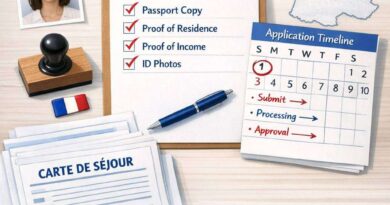
- Documentation: Typical requirements include passport, birth certificate, proof of income, police clearance, health declarations, tenancy agreements, and letters from employers or business partners. Translation and certification may be required for some documents.
- Support networks: Engage relocation specialists, language tutors, and expatriate communities to ease adaptation. They can provide practical tips on daily life, cultural etiquette, and bureaucratic processes.
How to live in Monaco: daily life and etiquette
Living in Monaco rewards visitors with a high standard of living and a refined social ambience. Practical tips include:
- Respect for rules: The principality maintains strict regulations on traffic, noise, and public spaces. Observing local etiquette helps you integrate smoothly.
- Community involvement: Participation in cultural events, charity activities, and local clubs can ease social integration and expand professional networks.
- Continuity and planning: Given the small size of the country and the high cost of living, judicious budgeting and long-range planning are essential for sustained expat life.
If you are considering moving to Monaco, or exploring immigration to Monaco, this guide outlines core areas to evaluate before you embark on the journey. Through careful preparation, expats can enjoy a unique and rewarding chapter of their lives in one of Europe’s most celebrated destinations.
FAQ: Living in Monaco
Is Monaco expensive to live in?
Yes. Monaco is renowned for its high cost of living, driven by housing, groceries, services, and luxury amenities. While some practical options exist (shared accommodations, long-term rentals, budgeting, and careful shopping), overall expenses are among the highest in Europe.
What is the cost of housing in Monaco?
Housing in Monaco is notoriously expensive. Rental prices can be among the most expensive in the world, with small apartments commanding high monthly rents. Property purchases are also costly, reflecting limited supply and high demand. Consider nearby communes in the French Riviera (e.g., Beausoleil, Roquebrune-Cap-Martin) for potentially more affordable options while still benefiting from Monaco’s proximity.
Do I need a residence permit to live in Monaco?
If you are an EU/EEA/Swiss citizen, you can reside in Monaco more freely, but long-term stays typically require registration and can involve proving sufficient means and health insurance. Non-EU residents often need a work permit or other authorisation through employment or residency programs. Always consult the latest rules from Monaco’s government or a residency adviser.
What are the visa requirements for living in Monaco?
Monaco itself does not issue independent visas; it relies on French or international arrangements. Most long-term residency pathways go through:
- Employment in Monaco
- Economic or investor schemes
- Family reunification
- Moving via France (as Monaco is enclaved within France) with a French visa/residence processCheck with Monaco’s administration and French authorities for the exact route applicable to your nationality.
How can I work in Monaco?
Most residents who work in Monaco secure employment with a local company or a company operating in Monaco. Employers often assist with the necessary permits. For non-EU residents, securing an employment contract is typically the first step toward residency or work authorisation.
What is healthcare like in Monaco?
Monaco has a high standard of healthcare, with both public and private providers. Residents typically have access to the public system through social security contributions and may use private health insurance for broader coverage and shorter wait times. If you work in Monaco, your employer may register you in the social security system.
Do I need to learn French to live in Monaco?
French is the official language of administration and daily life in Monaco. English is widely spoken in business and expat communities, but learning French will greatly ease daily activities, bureaucratic processes, and integration.
What about the language and schooling for families?
Monaco offers international schools and French state schools. International programs (e.g., French-English, Bilingual options) attract expatriate families. If your child attends a local French school, French language support may be needed. For private international schools, programs often align with French or British curricula.
How do I get around Monaco?
Monaco is small and highly walkable. Public transport (bus) and taxis are reliable. The principality is adjacent to Nice-Côte d’Azur Airport and offers easy access to the French Riviera. Some residents use scooters or cars; parking can be expensive and limited in peak times.
Is Monaco safe to live in?
Monaco is considered very safe with low crime rates and strong security. It is known for its clean streets, well-maintained infrastructure, and robust emergency services.
What should I know about taxes living in Monaco?
Monaco does not levy personal income tax on residents (except French citizens living in Monaco, who are taxed by France). There are other forms of taxation and fees, and you should consult a tax advisor to understand how Monaco residency affects your global tax situation.
What is the best way to connect with the Monaco expat community?
Join expat groups, forums, and social clubs. Networking events, English-language meetups, and international schools often host activities. Local associations and the Comité Monégasque de Sciences (or similar cultural groups) can be helpful.
What are typical utilities and monthly living costs?
Utilities (electricity, water, internet) vary by consumption and size of the apartment. Monaco’s urban density means efficient infrastructure, but energy costs can be higher for larger spaces. Budget for groceries, dining out, transportation, and private services as you plan your monthly expenses.
How can I open a bank account in Monaco?
Non-residents can open bank accounts, often requiring substantial documentation, proof of address, and sometimes initial deposits. Banks may have specific requirements for non-residents or expatriates. It’s wise to compare banks and consult a local financial advisor.
What should I know about driving and car ownership?
Monaco is compact and well-connected by road. Parking is expensive and limited. Many residents rely on public transport or car-sharing. If you drive, ensure you understand local tolls, parking rules, and potential residence-based restrictions.
Are there any residency or property-related regulations to be aware of?
Yes. Monaco has strict regulations around property ownership, residency, and business activity. Non-residents should research visa, permit, and tax implications carefully and consult official sources or a relocation specialist.
If you’d like, I can tailor this FAQ to your specific situation (EU vs. non-EU, family status, budget, schooling needs, or career plans) and add sources or links to official Monaco government resources.