Essential Guide to Artificial Grass Maintenance: Tips for a Lush, Long-Lasting Lawn
Artificial grass maintenance is essential for longevity, playfulness, and a natural look year-round. Regular brushing lifts fibers, prevents matting, and keeps infill evenly distributed. Seasonal checks for weeds, debris, and drainage help preserve drainage efficiency and hygiene. For detailed guidance, visit http://www.matrix-turf.com/maintenance/, which offers practical tips and product recommendations. Consistent routine care reduces replacement costs and ensures a pristine, safe surface for every activity.
Artificial grass offers a pristine, low-maintenance alternative to natural turf, but it still requires regular care to stay looking and performing at its best. This expert guide covers practical steps, common pitfalls, and the best approach to maintaining artificial grass for long-lasting enjoyment. Whether you’re preparing a new installation or refreshing an older lawn, these tips will help you get full, even growth, proper drainage, and vibrant colour year after year.
Artificial grass maintenance can extend the life and appearance of your lawn, reducing water use and eliminating mowing. Regular brushing, debris removal, and occasional cleaning keep fibers upright and resilient. In the second half, consider expert guidance to optimize performance and longevity. For more resources, visit https://www.artificialgrassmaintenance.co.uk and explore tailored tips tailored to your installation and climate.
Introduction
A well-maintained lawn of artificial grass can endure heavy use, resist fading from sun exposure, and stay clean with minimal effort. The key is understanding the routine maintenance artificial grass requires, from daily brushing to periodic deep cleans. By adopting a proactive plan and choosing the right maintenance artificial grass techniques, you can extend the lifespan of your surface while minimising issues such as infill erosion, odour, and weed encroachment.
Practical maintenance steps for a lush lawn
-
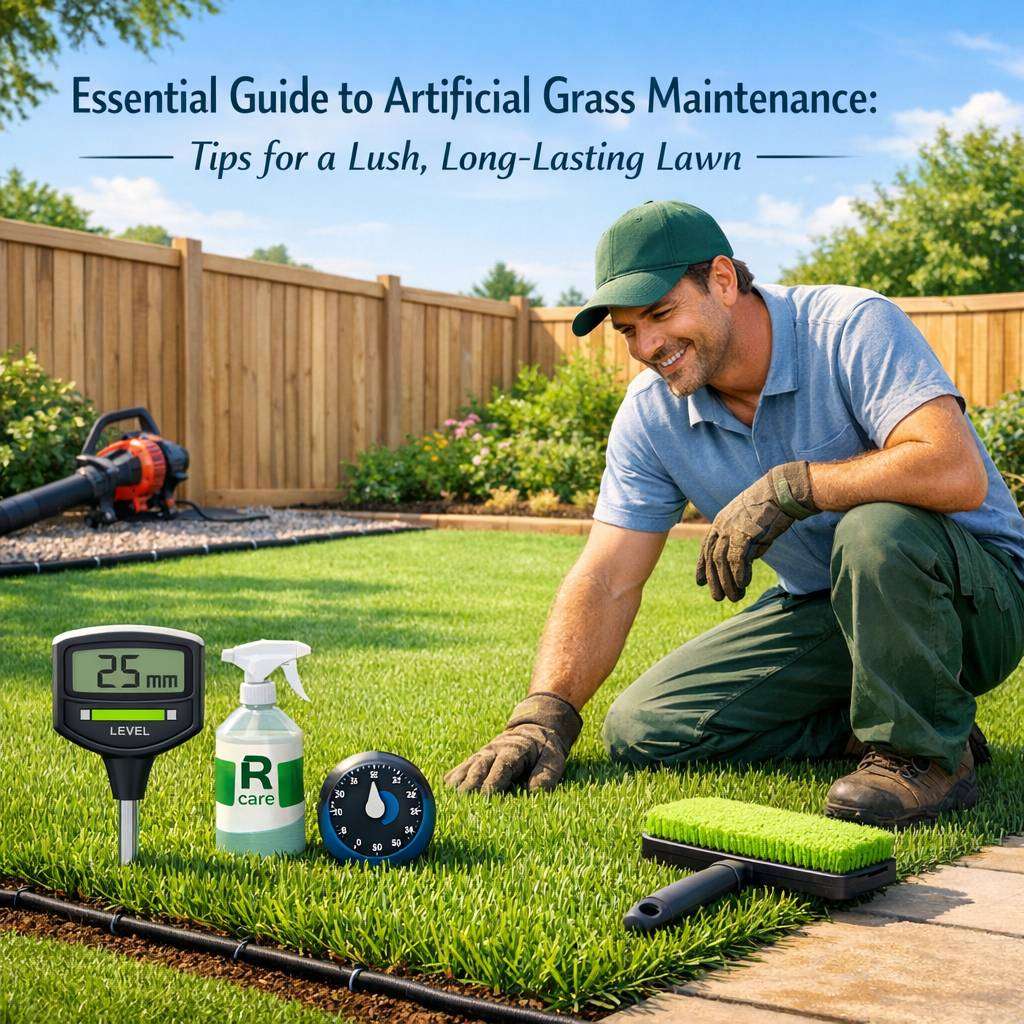
Regular brushing and grooming: Use a stiff-bristled broom or a rotary brush to brush against the pile in different directions. This helps to lift flattened fibres, restore a natural upright appearance, and prevent 자 tangling in high-traffic areas. For longer piles, a mechanical infill brush can be advantageous, especially in maintaining a uniform fibre height.
-
Cleaning and debris removal: Remove leaves, twigs, and pet hair weekly. A simple loose-leaf rake or a leaf blower can expedite this process. Persistent debris may be loosened with a gentle spray from a garden hose; avoid high-pressure washing, which can dislodge the fibres and push infill out of place.
-
Stain and odour control: For everyday spills, rinse with water and, if necessary, a mild detergent diluted in water. Rinse again to remove any soap residue. For pet odours, an enzyme-based cleaner designed for artificial grass is effective, followed by thorough rinsing. Avoid harsh chemicals or solvents that could degrade the backing or fibres.
-
Infill maintenance: If your system uses an infill, check level periodically and rake or brush to redistribute as needed. Infill provides stability, improves drainage, and helps keep the pile upright. Sand-based systems require more frequent topping up, particularly in high-traffic zones.
-
Drainage vigilance: Ensure drainage channels remain unblocked and water can flow away quickly after rainfall or cleaning. If puddling occurs, you may need to clear silt or replace coarse infill to re-open pathways. A well-drained installation prevents mould, algae growth, and unpleasant odours.
-
Seasonal care: In colour-rich or sun-exposed lawns, UV stabilisers minimise fading. During autumn, clear fallen leaves promptly to prevent staining. In winter, avoid placing heavy equipment on the surface for extended periods and use a protective ground cover if possible.
-
Weed and pest prevention: While weeds are unlikely to take root in a properly installed sub-base, occasional weed growth can appear at edges or joints. Promptly remove weed growth and inspect seams for damage. If pests are an issue, identify the culprit and use a deterrent compatible with artificial turf.
-
Inspection of seams and edges: Regularly check seams, joins, and edging for lifting or separation. Prompt repairs prevent larger damage. Small repairs can often be completed with a compatible adhesive, seam tape, and careful heat or pressure.
Regular brushing and grooming: Use a stiff-bristled broom or a rotary brush to brush against the pile in different directions. This helps to lift flattened fibres, restore a natural upright appearance, and prevent 자 tangling in high-traffic areas. For longer piles, a mechanical infill brush can be advantageous, especially in maintaining a uniform fibre height.
Cleaning and debris removal: Remove leaves, twigs, and pet hair weekly. A simple loose-leaf rake or a leaf blower can expedite this process. Persistent debris may be loosened with a gentle spray from a garden hose; avoid high-pressure washing, which can dislodge the fibres and push infill out of place.
Stain and odour control: For everyday spills, rinse with water and, if necessary, a mild detergent diluted in water. Rinse again to remove any soap residue. For pet odours, an enzyme-based cleaner designed for artificial grass is effective, followed by thorough rinsing. Avoid harsh chemicals or solvents that could degrade the backing or fibres.
Infill maintenance: If your system uses an infill, check level periodically and rake or brush to redistribute as needed. Infill provides stability, improves drainage, and helps keep the pile upright. Sand-based systems require more frequent topping up, particularly in high-traffic zones.
Drainage vigilance: Ensure drainage channels remain unblocked and water can flow away quickly after rainfall or cleaning. If puddling occurs, you may need to clear silt or replace coarse infill to re-open pathways. A well-drained installation prevents mould, algae growth, and unpleasant odours.
Seasonal care: In colour-rich or sun-exposed lawns, UV stabilisers minimise fading. During autumn, clear fallen leaves promptly to prevent staining. In winter, avoid placing heavy equipment on the surface for extended periods and use a protective ground cover if possible.
Weed and pest prevention: While weeds are unlikely to take root in a properly installed sub-base, occasional weed growth can appear at edges or joints. Promptly remove weed growth and inspect seams for damage. If pests are an issue, identify the culprit and use a deterrent compatible with artificial turf.
Inspection of seams and edges: Regularly check seams, joins, and edging for lifting or separation. Prompt repairs prevent larger damage. Small repairs can often be completed with a compatible adhesive, seam tape, and careful heat or pressure.
Maintaining a pristine lawn with artificial grass maintenance tips saves time and resources while preserving realism. Regular brushing lifts fibers, removes debris, and keeps a natural look. Gentle washing with mild soap preserves color and longevity, and infrequent disinfection prevents odors. For comprehensive guidance and reliable best practices, consult trusted resources. artificial grass maintenance offers detailed insights to ensure your synthetic turf stays lush and durable season after season.
Artificial grass maintenance is essential for longevity and pristine aesthetics. Regular brushing, debris removal, and periodic cleaning keep fibers upright and return drainage efficiency. For comprehensive guidance, visit https://www.groundsguys.com/blog/artificial-grass-maintenance-tips/ and follow expert tips.
Choosing the right professional support
-
Artificial grass maintenance package: For optimal results, consider a packaged maintenance plan that covers routine cleaning, brushing, infill refreshment, odour control, and seasonal inspections. A comprehensive package reduces the risk of issues escalating and ensures consistent presentation.
-
Maintenance artificial grass service: Engaging specialists helps address complex concerns such as drainage diagnosis, deep-cleaning, or repairs to backing and fibres. A reputable provider can tailor a maintenance schedule to your grass type, footprint, and climate.
-
Maintenance near me: Local providers can be advantageous for quick response times, on-site assessments, and cost-effective service. When searching for maintenance artificial grass near me, look for certified installers with positive client references and clear service terms.
-
Maintain artificial grass correctly: To sustain performance, follow the recommended maintenance frequency for your product. Some systems benefit from more frequent brushing in high-traffic areas or pets, while others require seasonal top-ups of infill. A written maintenance schedule helps you stay on track.
-
Selecting the right service: Assess providers based on equipment, products, and guarantees. Ask about the longevity of the fibres, UV resistance, warranty coverage, and whether their maintenance artificial grass service includes depth cleaning and odour control.
-
Water and chemical considerations: If your lawn is in a sensitive environment or receives frequent rainfall, coordinate cleaning with weather conditions. Use mild, non-bleach cleaners and avoid heavy chemical use that could alter the grass’ colour or backing integrity.
-
Aftercare and client education: The best maintenance artificial grass service will educate you on daily practices, such as brushing direction and debris removal, to support long-term aesthetics and functionality.
Artificial grass maintenance package: For optimal results, consider a packaged maintenance plan that covers routine cleaning, brushing, infill refreshment, odour control, and seasonal inspections. A comprehensive package reduces the risk of issues escalating and ensures consistent presentation.
Maintenance artificial grass service: Engaging specialists helps address complex concerns such as drainage diagnosis, deep-cleaning, or repairs to backing and fibres. A reputable provider can tailor a maintenance schedule to your grass type, footprint, and climate.
Maintenance near me: Local providers can be advantageous for quick response times, on-site assessments, and cost-effective service. When searching for maintenance artificial grass near me, look for certified installers with positive client references and clear service terms.
Maintain artificial grass correctly: To sustain performance, follow the recommended maintenance frequency for your product. Some systems benefit from more frequent brushing in high-traffic areas or pets, while others require seasonal top-ups of infill. A written maintenance schedule helps you stay on track.
Selecting the right service: Assess providers based on equipment, products, and guarantees. Ask about the longevity of the fibres, UV resistance, warranty coverage, and whether their maintenance artificial grass service includes depth cleaning and odour control.
Water and chemical considerations: If your lawn is in a sensitive environment or receives frequent rainfall, coordinate cleaning with weather conditions. Use mild, non-bleach cleaners and avoid heavy chemical use that could alter the grass’ colour or backing integrity.
Aftercare and client education: The best maintenance artificial grass service will educate you on daily practices, such as brushing direction and debris removal, to support long-term aesthetics and functionality.
By following these guidelines and partnering with a trusted artificial grass maintenance professional, you can maintain artificial grass effectively, ensuring a lush, long-lasting lawn that remains inviting season after season.
FAQ: Artificial Grass Maintenance
What is artificial grass maintenance and why is it important?
Artificial grass maintenance involves regular cleaning, brushing, and periodic deep cleaning to keep blades upright, remove debris, prevent odour, and extend the lifespan of the turf. Proper maintenance helps preserve appearance, drainage, and safety.
How often should I brush or rake artificial grass?
Brush frequency depends on traffic and usage. For residential lawns, brush once or twice a week to keep blades upright and maintain a natural look. High-traffic areas or pets may require daily brushing.
How do I clean spills and pet messes on artificial grass?
- For water-soluble spills: rinse with water and blot if needed.
- For pet urine: rinse area with water, then apply a diluted vinegar solution or a mild, enzyme-based cleaner to neutralise odours. Rinse again.
- For solid waste: remove with a plastic bag or scoop, then rinse the area thoroughly.
Can artificial grass get mold or mildew?
Yes, in damp or shaded areas. Ensure good drainage, remove debris, and occasionally wash with a mild detergent or specialty turf cleaner. Allow the area to dry completely after cleaning.
How do I prevent odours on artificial grass?
Regularly remove waste, rinse with water, and periodically use an enzyme-based deodourizer designed for artificial turf. Avoid strong, lingering cleaners that can affect blades or backing.
How do I maintain irrigation and drainage under artificial grass?
Ensure the drainage system remains clear of clogs (leaves, sediment, or dirt). If you notice puddling, check for compacted soil, improper grading, or damaged underlayment. Professional inspection may be needed for drainage issues.
What about infill maintenance?
If your turf uses infill (silica sand, rubber, or organic materials), rake it occasionally to keep an even distribution and prevent compaction. Refill once a season or as needed to maintain cushion and support.
How do I clean artificial grass with pets?
Rinse frequently to remove urine and debris. For odours, use a diluted vinegar solution or enzyme-based cleaner. Brush to keep blades upright. Consider a weekly or biweekly cleaning schedule in pet-heavy areas.
Can high temperatures damage artificial grass?
Extreme heat can cause some deformation of blades over time. Regular brushing helps blades recover. If you notice flattening, allow it to cool and consider limiting placement of reflective surfaces or heavy equipment in hot sun.
How long does artificial grass maintenance take?
Typical routine maintenance takes 10–20 minutes per week for a small yard. Deep cleaning or odour control may take longer, depending on the method used and the area size.
Are there professional maintenance services for artificial grass?
Yes. Professional services offer thorough cleaning, deodourizing, infill replenishment, brush/tufting, and seam repair. Scheduling periodic professional maintenance can extend turf life.
What tools do I need for basic maintenance?
- Leaf blower or broom for debris
- Garden rake or stiff-bristle brush for brushing
- Water hose or pressure washer (on low setting) for rinsing
- Mild detergent or turf-specific cleaner for deep cleaning
- Enzyme-based deodourizer for odours (optional)
How do I protect artificial grass during cleaning?
Turn off sprinklers if they intersect with the area, avoid harsh chemicals that can degrade backing, and use low-pressure water to prevent displacement of infill or backing.
When should I replace artificial grass instead of maintaining it?
Consider replacement if the backing is deteriorating, seams are separated, infill has degraded beyond replenishment, or the turf has persistent stains and odours despite cleaning. A professional assessment can help determine viability.
If you’d like, I can tailor this FAQ to a specific type of artificial turf (residential lawn, playground, sports turf) or adjust for regional climate considerations.