The Essential Guide to Maintenance of Artificial Grass: Tips for Longevity and Beauty
Artificial grass is a practical, year-round solution for lawns, playgrounds, and sports surfaces. Proper care ensures it remains lush, safe, and visually appealing for many years. This guide, written by an expert, provides essential tips on artificial grass care and maintenance, with practical steps you can implement today. We’ll cover routine cleaning, debris management, brushing, infill considerations, weed control, drainage, and seasonal adjustments to keep your artificial grass looking its best.
Maintaining a lush, durable surface depends on proper maintenance of artificial grass. Regular brushing, deburring loose fibers, and periodic washing control dust and debris while preserving softness. In hot weather, rinse to reduce any glare and prevent odor buildup. For best results, follow expert guidance and routine upkeep. https://www.artificialgrasssuperstore.com/
Regular upkeep is essential to keep a lawn-looking artificial space fresh and long-lasting. Start with routine brushing to remove settled debris and maintain fiber upright. Monitor infill levels, especially in high-traffic areas, and top up as needed for stability and softness. Clean spills promptly with mild soap and water to prevent staining. For detailed guidance on best practices, consult trusted resources. In particular, maintenance of artificial grass offers practical tips and site-specific advice for durable, low-maintenance lawns.
Getting started with artificial grass care and maintenance
To maintain artificial grass effectively, start with an honest assessment of your surface. Consider the location, foot traffic, proximity to trees, and whether pets or children frequently use the area. A good maintenance routine combines regular cleaning, brushing, and periodic checks for wear and damage. Establishing a simple schedule will help you stay on top of upkeep and extend the life of your installation.
Routine cleaning and debris removal
Regular cleaning is the foundation of maintenance artificial grass. Leaf litter, twigs, and dust can accumulate, affecting appearance and drainage. Use a leaf blower on a low setting or a stiff, clean broom to remove debris without damaging the fibres. For pet waste, remove solids promptly and rinse the area with water. A mild soapy solution can be used for stubborn stains, but avoid harsh chemicals that could degrade the backing or infill. Rinse thoroughly to prevent residue buildup that could attract dirt or pests.
Brushing and texture restoration
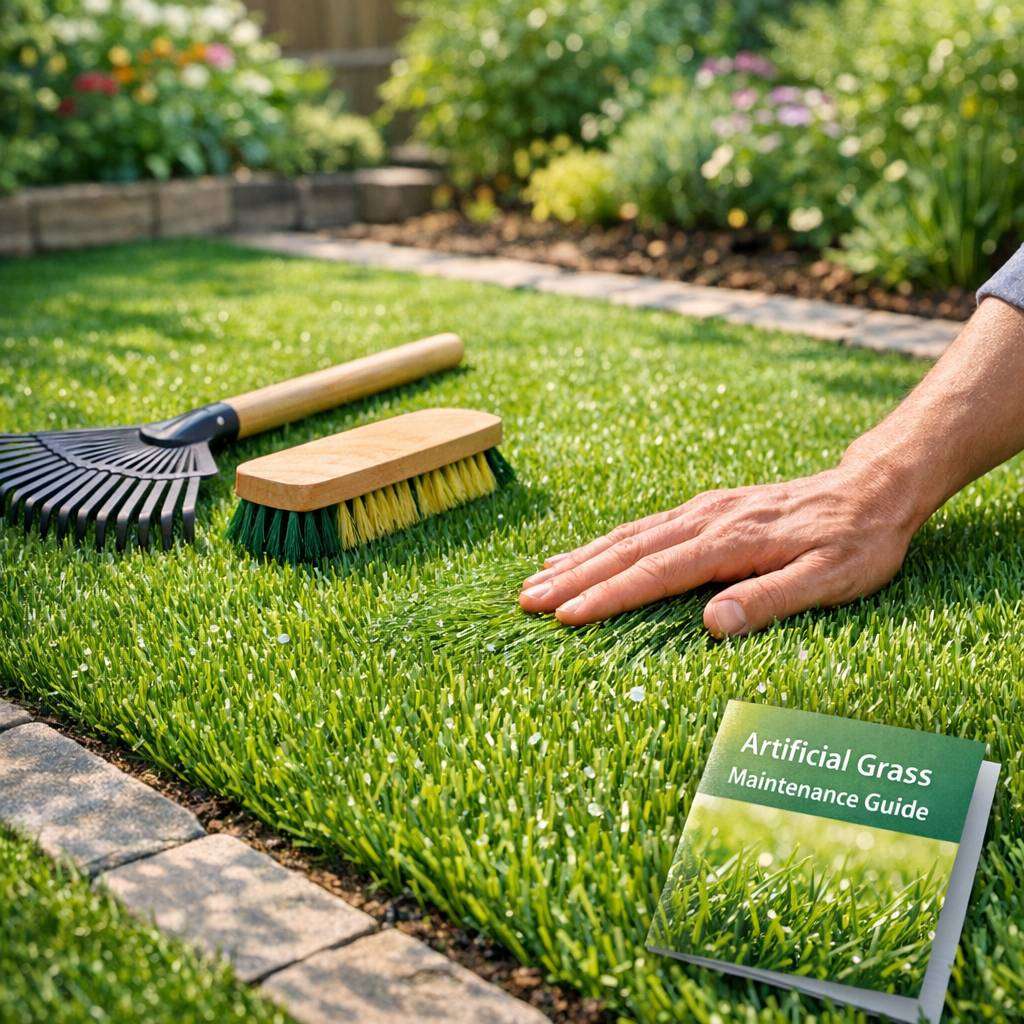
Brushing artificial grass maintains the blade upright and prevents the fibres from matting down in high-traffic zones or shaded areas. Use a push broom or a specialised artificial grass brush with soft bristles. Brush against the grain initially to lift the fibres, then brush with the grain for a natural finish. Frequency depends on usage; high-traffic or frequently used pitches benefit from brushing every 1–2 weeks, while quiet residential lawns may only need monthly attention. Regular brushing also helps distribute infill evenly, supporting cushioning and drainage.
Infill management and positioning
Infill materials provide ballast, cushioning, and blade stability. Over time, infill may migrate, leading to uneven surfaces and reduced drainage. Check and redistribute infill if necessary. If you notice depressions or hollow areas, you may need to rake the surface gently and add more infill to restore evenness. For longer-lasting results, use the recommended type and quantity of infill specified in your artificial grass maintenance package. Correct infill levels help preserve the appearance and performance of the surface, particularly on artificial pitches.
Weed and moss control
Weeds can emerge at the edges or through seams where the artificial grass meets hardstanding or soil. Regular inspection and pulling weeds by hand are usually sufficient for small areas. In larger installations or where soil contact is present, apply a non-toxic weed killer approved for use with synthetic turf, following the manufacturer’s instructions. If moss becomes an issue in damp, shaded areas, increase brushing frequency and consider a light application of moss control products designed for artificial grass. Always check compatibility with your surface and backing before applying any chemical treatments.
Joint, seam, and edging inspection
Over time, seams and edges can become loose due to weather, wear, or heavy use. Inspect seams for lifting or widening gaps and edges for loosening. If you detect issues, contact a professional for reseaming or edging repair. For sports surfaces, maintaining the structural integrity of seams is critical to performance and safety. Regular checks as part of an artificial pitch maintenance routine help prevent more extensive and costly repairs.
FAQ: Maintenance of Artificial Grass
How often should I clean artificial grass?
Regularly remove debris with a leaf blower, rigid broom, or rake. For most surfaces, a light cleaning once a week is sufficient; in heavy-use or dusty areas, you may want to clean every few days.
What is the best way to remove pet waste from artificial grass?
Scoot up solid waste with a plastic bag or scoop, rinse the area with water, and use a mild detergent if needed. Avoid harsh chemicals. For odour control, apply a pet-safe enzyme cleaner and rinse thoroughly.
How do I prevent and remove odours from artificial grass?
Rinse with water regularly, remove organic debris promptly, and brush the fibers to keep them upright. For persistent odours, use a mild detergent or a pet-safe enzyme cleaner, then rinse well. Consider anti-odour infill treatments if recommended by the installer.
How often should I brush or groom the blades?
Brush or groom the blades weekly to keep them standing upright and to prevent matting. Increase frequency after heavy rain or maintenance work.
Can I vacuum artificial grass?
Yes, but use a vacuum with a wide, soft-bristle head designed for turf. Regular leaf and debris removal is usually more effective; vacuums are helpful for fine debris in larger installations.
What is the best way to wash artificial grass?
Rinse with water. For stains, use a mild soap or detergent diluted in water, then rinse thoroughly. Avoid bleach or strong solvents that can degrade the backing or colors.
How do I prevent weed growth under or through the turf?
Ensure proper drainage and installation with a weed barrier beneath the turf. Periodically inspect edges for root intrusion and address promptly. In gardens with significant weed pressure, treat surrounding soil and install a durable weed barrier.
How should I handle spills on artificial grass?
Blot or scoop up solids, rinse with water, and use a mild soap if needed. For sticky substances, re-rinse thoroughly and allow to dry. Avoid solvents that can damage the fibers or backing.
How do I maintain infill levels?
Check infill height periodically and top up as needed according to manufacturer guidelines. Use the recommended infill material (e.g., silica sand, rubber) and spread evenly with a stiff broom or rake after leveling.
What should I do after heavy rain or storms?
Remove excess water by brushing or using a squeegee, then allow the surface to dry. Clear any debris left behind and check for pooling if drainage is poor. Brushing helps restore blade lift after saturation.
How can I extend the life of artificial grass?
Proper installation, regular cleaning, timely weed control, avoiding sharp objects, and using recommended cleaners and infill. Protect edges from damage and avoid heavy, pointed footwear on sensitive areas.
Are there any hazards or things to avoid?
Avoid abrasive brushes, high-concentration solvents, chlorine, or heat sources that can damage the backing. Do not use iron (hot) tools or open flames near the turf. Keep pets’ claws trimmed to minimise snagging.
How do I maintain artificial grass around trees and shrubs?
Create a barrier or edging to prevent soil and mulch from entering the turf. Regularly rake away leaves and debris from plant material and prune nearby vegetation to reduce shedding.
Do I need to seal or treat artificial grass?
Most installations do not require sealing. Follow the manufacturer’s recommendations; some products may benefit from periodic anti-microbial or deodourizing sprays if advised.
What maintenance steps should I take seasonally?
- Spring: remove debris, check infill, inspect seams, and brush blades.
- Summer: rinse to keep cool, check for heat damage in exposed areas, inspect for pet odours.
- Fall: increase debris removal, watch for leaf buildup, protect seams from weathering.
- Winter: ensure drainage is clear, remove snow carefully (avoid aggressive scrapers; allow to melt naturally if possible).
How do I find maintenance instructions for my specific artificial grass product?
Refer to the installation manual or manufacturer’s care guide. If unsure, contact the installer or manufacturer support with your product name, model, and yard conditions.
Drainage and surface health
Water drainage is essential to prevent puddling and odours. If you notice standing water after rainfall, inspect the sub-base and drainage channels for blockages or compaction. Keep drainage channels clear of leaves and debris, and avoid mowing or brushing over the drainage zones, which can compress the surface. For lawns subject to heavy rainfall, consider a professional drainage assessment as part of your artificial grass maintenance UK plan.
Seasonal care and climate considerations
Seasonal changes influence maintenance needs. In autumn, increased leaf fall requires more frequent debris removal. In winter, mild cleaning and brushing help prevent matting during wet conditions. In summer, equipping children and pets with footwear that minimises excess wear can help prolong the life of the fibres. For outdoor play or sports surfaces, monitor UV exposure and consider protective measures or coatings if recommended for your specific product.
Maintaining maintenance of artificial grass is essential for longevity and realism. Regular brushing and debris removal keep fibers upright and drainage clear. For expert tips and services, visit https://www.artificialgrassmaintenance.co.uk to ensure optimal upkeep.
The artificial grass maintenance package and choosing a provider
Many homes and organisations opt for an artificial grass maintenance package to streamline upkeep. A comprehensive package typically includes debris removal, brushing, infill checks, weed control, seam inspection, and seasonal servicing. When choosing a provider, look for experience with your product type, clear pricing, and references. Local expertise is valuable, particularly for artificial grass maintenance UK clients who require knowledge of climate and regional wear patterns. A reliable contractor will tailor maintenance to your surface, usage level, and manufacturer guidelines.
How to locate reliable services near you
If you’re searching for “artificial grass maintenance near me,” begin with manufacturer recommendations, local installers, and garden maintenance specialists with turf experience. Request a written maintenance plan, including frequency, tasks, and expected outcomes. Ask about waste disposal and whether the service includes uplift or power washing if appropriate for your surface. A transparent approach helps ensure the work aligns with your expectations and the product warranty.
Final considerations for longevity and beauty
- Follow manufacturer guidelines for cleaning products and methods to avoid voiding warranties.
- Establish a realistic maintenance frequency based on use, weather, and tree cover.
- Use appropriate tools—soft-bristled brushes and gentle irrigation—to protect fibres.
- Address issues promptly; small repairs are often less costly when tackled early.
- Keep records of maintenance activities to track surface health over time.
Maintaining artificial grass is a practical balance of routine cleaning, brushing, infill management, and timely repairs. By adopting a thoughtful schedule and engaging qualified professionals when needed, you can preserve the beauty, safety, and longevity of your artificial surface for years to come. Whether you’re managing a private lawn, an artificial pitch, or a commercial installation, these best practices form the core of successful maintenance artificial grass.