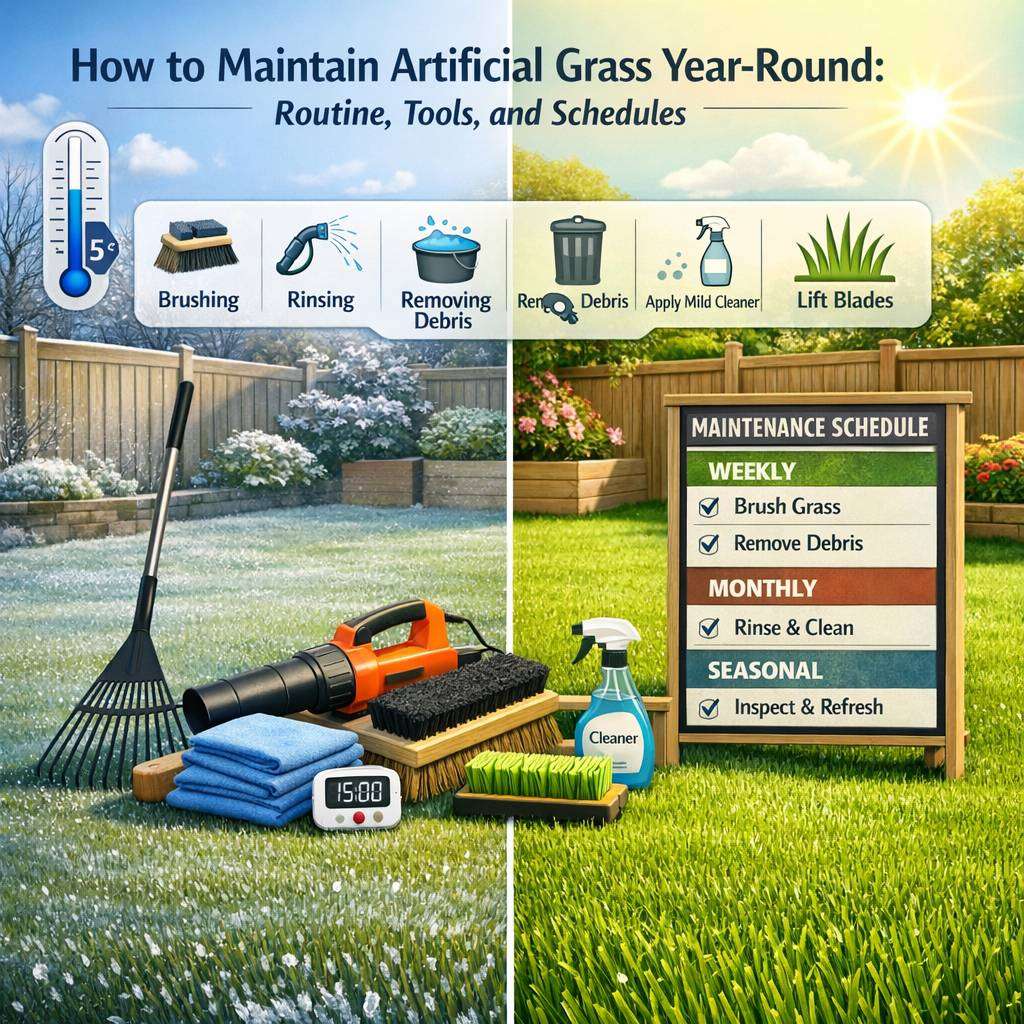
How to Maintain Artificial Grass Year-Round: Routine, Tools, and Schedules
Artificial grass can provide year-round beauty with minimal effort, but achieving consistently pristine results requires a thoughtful maintenance routine. Below is a practical guide written from an expert perspective, with clear routines, essential tools, and realistic schedules. The emphasis is on keeping artificial grass looking lush, safe, and durable across all seasons using British English spelling.
Maintaining a pristine lawn is easier with proactive artificial grass maintenance routines. Regular brushing removes debris and keeps blades upright, while occasional rinsing prevents dust buildup and odors. Inspect infill levels and irrigation compatibility to preserve drainage and softness underfoot. For expert guidance, visit artificial grass maintenance to explore tailored tips, product recommendations, and seasonal care. Consistent attention extends the life of your artificial lawn and preserves its natural-looking finish.
Artificial Grass Maintenance Package
A comprehensive artificial grass maintenance package should cover the core tasks that protect fibre integrity, drainage, and appearance. Key components include:
- Regular brushing to lift pencil-thin fibres and prevent matting.
- Debris removal, particularly in autumn when leaves accumulate.
- Periodic top dressing or sand infill checks for fibre resilience (where applicable).
- Cleaning for spillages and staining using appropriate products.
- Annual professional assessment to identify drainage, weed growth, or sub-base concerns.
Many homeowners opt for a maintenance plan that combines DIY routines with a scheduled service visit. This hybrid approach ensures routine upkeep while addressing issues that require specialist equipment or expertise.
Artificial Grass Maintenance
Artificial grass maintenance is about consistency and attention to detail. Daily or weekly tasks will vary by climate and installation, but the following routine is broadly applicable:
- Remove debris: Leaves, twigs, and litter should be cleared with a soft brush or a leaf blower on a low setting to avoid fibre damage.
- Brush fibres: Use a lawn brush with soft, rounded bristles and brush against the grain to lift the fibres at least weekly, more often in high-traffic areas.
- Check drainage: Ensure the area around your installation remains free of sediment or pooling. If you notice slow drainage, consult a drainage expert or your artificial grass maintenance service.
- Rinse and deodorise: Lightly rinse with clean water to remove dust and odour; treat stains promptly with compatible artificial grass cleaning products.
- Weed management: Keep borders tidy and monitor for weed intrusion along edges. Use a weed killer compatible with artificial grass if required, following product instructions.
- Infill levels: For fibres installed with infill (e.g., silica sand), check and, if needed, replenish infill to maintain asperity and support.
Seasonal tips:
- Spring: Clear pollen and debris; inspect for wear after winter; check edging and seams.
- Summer: Increase brushing frequency in hot spells to prevent flattening from foot traffic; watch for fading or discolouration due to strong sunlight.
- Autumn: Remove fallen leaves promptly; consider more frequent brushing to prevent moss or mould in damp conditions.
- Winter: Clear snow with a plastic snow shovel (avoid metal). Do not use chemicals or salt on most artificial grasses, unless specifically approved for your product.
Artificial Grass Maintenance Service
Professional maintenance services can help with more complex tasks such as:
- Deep cleaning to remove built-up mould, algae, or odours.
- Rejuvenation of fibres and resealing edges or seams.
- Inspection of sub-base and drainage to prevent displacement or soft spots.
- Regrouting or resealing around the perimeter to protect against weed intrusion.
If you opt for an artificial grass maintenance service, schedule visits seasonally or on an annual basis, depending on usage. A typical service includes a visual inspection, brushing, edge management, and minor adjustments to infill or seams.
Maintaining artificial grass properly extends its lifespan and keeps a pristine appearance year-round. Regular brushing, removing debris, and rinsing with water prevent matting and odor buildup while preserving turf fibers’ resilience. Address pet use, drainage, and infill levels to ensure even wear and drainage performance. For expert guidance and reliable service, consult seasoned technicians who specialize in artificial grass maintenance. https://turfresh.com/houston/contact/service-areas/houston-tx/ They can tailor a maintenance plan to your climate and usage.
Artificial Pitch Maintenance
Articial pitch maintenance focuses on sports applications, where high use intensifies wear. For artificial pitches, attention areas include:
- Brushing to prevent pile collapse and to maintain a uniform playing surface.
- Regular infill checks and compaction to ensure bounce and safety.
- Surface disinfection and odour control after use, particularly in high-traffic venues.
- Inspection of drainage channels to prevent waterlogging or pooling during wet weather.
- Routine seam and edge inspection to prevent edge lifting from frequent play.
A dedicated artificial pitch maintenance schedule is typically more frequent than residential lawn care, often with weekly or bi-weekly checks during peak seasons.
Artificial grass maintenance is essential for longevity and appearance, especially in high-traffic areas. Regular brushing, debris removal, and periodic washing keep fibers upright and clean. For expert guidance, consult specialists at https://turfresh.com/austin/contact/service-areas/austin-tx/ to tailor a routine for your yard.
Artificial grass maintenance is essential for preserving realism, safety, and longevity of your synthetic lawn. Regular brushing, debris removal, and periodic cleaning prevent matting and odors while keeping fibers upright for a fresh look. For professional guidance, visit https://turfmonstersaz.com/services/artificial-turf-care/, where experts tailor care plans to your climate and usage. Consistent maintenance reduces heat buildup, extends lifespan, and enhances aesthetics, making artificial grass maintenance a simple, cost-effective part of lawn care.
Maintain Artificial Grass: Routine and Scheduling
A practical maintenance schedule helps you stay ahead of problems. Consider the following framework:
-
Weekly tasks: Clear debris, brush fibres, and inspect for damage. Rinse as needed after rain or light spills.
-
Monthly tasks: Deep brush in the direction opposite to the grain, inspect seams, check edging, and examine infill levels. Clean with a mild solution if soiled.
-
Seasonal tasks:
- Spring: Check for wear or damage after winter, reseal joints or edging if required.
- Summer: Monitor for heat-induced fading; maintain infill levels and brushing routine.
- Autumn: Regular leaf clearance and moss prevention; reseal or treat edges prone to moisture accumulation.
- Winter: Snow removal, avoid chemicals, and monitor for drainage issues after heavy rainfall or thaw.
-
Annual professional assessment: Engage a specialist to review drainage, base stability, seam integrity, and fibrous condition. This is especially important for larger installations or artificial pitch maintenance.
Weekly tasks: Clear debris, brush fibres, and inspect for damage. Rinse as needed after rain or light spills.
Monthly tasks: Deep brush in the direction opposite to the grain, inspect seams, check edging, and examine infill levels. Clean with a mild solution if soiled.
Seasonal tasks:
- Spring: Check for wear or damage after winter, reseal joints or edging if required.
- Summer: Monitor for heat-induced fading; maintain infill levels and brushing routine.
- Autumn: Regular leaf clearance and moss prevention; reseal or treat edges prone to moisture accumulation.
- Winter: Snow removal, avoid chemicals, and monitor for drainage issues after heavy rainfall or thaw.
Annual professional assessment: Engage a specialist to review drainage, base stability, seam integrity, and fibrous condition. This is especially important for larger installations or artificial pitch maintenance.
Maintenance of Artificial Grass: Practical Tools
Having the right toolkit makes all the difference. Essential items include:
- Soft-bristled brush or a specialised turf brush for lifting fibres.
- Leaf blower on a low setting to remove loose debris.
- Garden hose or pressure washer (on a low setting) for rinsing; never use high-pressure streams that could lift infill.
- Mild, non-bleach cleaning solution suitable for artificial grass for stains or odour control.
- Infill gauge or ruler to monitor infill depth; a sampler or small trowel for checking the substrate at edges.
- Edge and seam repair kit if you have DIY repair tasks to handle small gaps or creases.
Artificial grass maintenance is essential for durability and aesthetics. Regular brushing, infrequent cleaning, and seasonal checks prevent patches and uneven wear. For expert guidance and services, visit our recommended resource below. https://www.artificialgrassmaintenance.co.uk
Keep Artificial Grass Coverage Through the Year
To maintain a healthy, vibrant surface throughout the year, combine routine DIY care with periodic professional assessments. A sensible approach is to implement a weekly maintenance routine, a monthly deep clean, seasonal adjustments, and at least an annual artificial grass maintenance service to address issues beyond routine care. For venues or larger installations, consider an artificial grass maintenance package tailored to usage patterns and environmental conditions, and schedule regular artificial pitch maintenance checks to preserve performance and safety.
If you are searching for reliable support, look for providers offering artificial grass maintenance near me with transparent pricing, proven results, and clear service descriptions. They can advise on the most appropriate maintenance of artificial grass for your specific installation, climate, and foot traffic, ensuring the surface remains safe, visually appealing, and durable for years to come.