Hockey Pitch Repairs: How to Identify and Fix Common Issues
Maintaining a high-quality playing surface is essential for any hockey facility, which is why timely hockey pitch repairs are crucial. Regular maintenance not only ensures player safety but also enhances performance on the field. For expert assistance, you can visit https://www.artificialgrassmaintenance.co.uk. Their specialized services in artificial grass maintenance will help you keep your pitch in top condition, ensuring it remains suitable for both practice sessions and competitive matches. Don’t wait until it’s too late!
Maintaining a hockey pitch can seem daunting, but recognising and addressing common issues early on can save time and resources in the long run. Whether you’re managing a local club or overseeing a school facility, understanding how to care for your artificial grass for field hockey is essential. This guide will walk you through some common problems encountered with hockey pitches and how to initiate effective repairs and maintenance.
Understanding Artificial Grass for Hockey
Artificial grass for hockey provides a versatile, consistent surface ideal for competitive play. However, like any sporting surface, it requires regular attention to ensure that it remains in top condition. Over time, you might notice wear and tear, from issues with the turf itself to problems arising beneath the surface. By identifying these problems early, you can keep your pitch in a condition that is safe and enjoyable for players.
Common Issues with Hockey Pitch Resurfacing
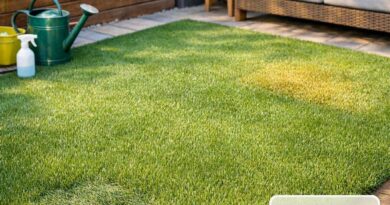
One of the most significant areas of concern regarding hockey pitch maintenance is resurfacing. If you notice patches of discolouration or uneven areas, it might be time to consider resurfacing. Common indicators include:
- Wear Patterns: Regular foot traffic can cause specific areas to wear down more quickly. This can lead to inconsistent playing surfaces that affect performance.
- Loss of Shock Absorption: Over time, the infill can compact, reducing the shock-absorbing qualities of the surface. Players might feel more impact, increasing the chance of injury.
Resurfacing is not just about the top layer; it often involves ensuring the base and drainage systems are functioning correctly as well. If you’re unsure whether resurfacing is necessary, consider engaging a professional to take a closer look.
Effective Hockey Pitch Installation Practices
The proper installation of a hockey pitch sets the foundation for long-term performance and durability. If a pitch is poorly installed, it could lead to a myriad of issues down the line, including uneven surfaces, drainage problems, and the potential for premature wear.
Key factors to consider during installation include:
- Sub-base Preparation: A well-prepared sub-base is crucial for preventing future issues. Proper drainage ensures that water does not pool on the surface, which can degrade the pitch material.
- Quality of Materials: Using high-quality artificial grass specifically designed for hockey is essential. Not all artificial grass is created equal; opt for materials that provide optimal performance and longevity.
Ensure that the installation process involves professional knowledge, as mistakes at this stage can lead to costly repairs later on.
Strategies for Effective Hockey Pitch Repairs
As with any sporting surface, regular inspections are vital. Here are some common repair strategies for hockey pitches:
- Spot Repairs: For minor damage, such as small tears or holes, spot repairs can usually suffice. Use a patch of matching turf and a strong adhesive designed for artificial grass.
- Infill Replacement: If the infill of your hockey pitch is depleted, replenishing it can restore performance characteristics. Ensure you use appropriate materials that match the original infill to maintain consistency.
For larger repairs or issues affecting the entire pitch, it might be worth consulting with specialists in hockey pitch repairs to provide a comprehensive solution.
Maintaining Your Hockey Pitch Astroturf
Regular maintenance of your hockey pitch astroturf can dramatically extend its lifespan. Here are some fundamental practices to keep in mind:
- Routine Clean-Ups: Dirt, debris, and organic matter can accumulate on the surface and affect performance. Regularly sweeping or using a brush can help keep the pitch clean.
- Chemical Treatments: Depending on your local environment, you might require chemical treatments to prevent algae or moss growth. Make sure to use treatments compatible with your type of synthetic grass to avoid damage.
In addition, ensure that you have an annual maintenance plan in place to address any significant wear and tear before it develops into a more serious problem.
The Importance of Chemical Treatment for Hockey Pitch Maintenance
Chemical treatments can be an essential part of maintaining your hockey pitch. They help to preserve the condition of the artificial grass and prevent the growth of unwanted vegetation. It’s vital to select the right chemicals:
- Herbicides and Algaecides: Regular application can prevent and control the growth of weeds, algae, and moss, which can affect the overall performance of the pitch and safety of players.
- Cleaners: Use specific cleaners designed for artificial grass maintenance that will clean the surface without causing damage to the fibres.
Ensuring that you’re following the best practices for chemical treatments will keep your pitch safe and enjoyable for everyone.
Regularly conducting maintenance and repairs can keep your hockey pitch in excellent condition, providing a great playing surface for all athletes. Adhering to these tips will help mitigate issues and ensure that your pitch is ready for action, season after season. Whether you’re dealing with minor issues or preparing for resurfacing, understanding how to handle hockey pitch repairs is crucial for effective pitch management.